

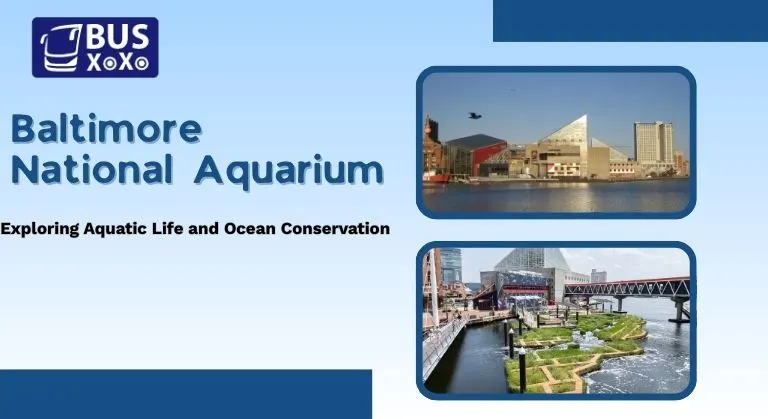
You’re going to be shocked by the number of extraordinary surprises that await you at The National Aquarium. Located on the Inner Harbour in Baltimore, Maryland, it offers thousands of different kinds of marine animals, including sharks, dolphins, colourful fish, along with many kinds of deep-sea plants and animals such as crocodiles, birds, and reptiles.
Experience an iconic underwater world at the National Aquarium located in Baltimore, ML. It has various reasons why this magnificent aquarium has been included in the top three aquarium of country. At this location, the Inner Harbour of Baltimore, Maryland, you will be open to a wide array of species while at the same time appreciating the award-winning habitats. Be it the wonderful and majestic aquatic friends, or the simple and diverse world creatures like birds and reptiles. The National Aquarium can bring a memorable experience for every visitor. You will always find new and exciting ocean life at this magnificent facility.
Why Choose Baltimore National Aquarium, Maryland?
Authoritative sources will say that the aquarium currently serves as the largest paid tourist attraction in Maryland. Fourteen years ago, fishing off the coast of Maryland was a major source of economic activity in Maryland. Over 50 million people have visited the Maryland National Aquarium to see more than 20,000 varieties of animals, including sloths, reptiles, tropical birds, and many others. This total number of unique species is represented by over 2.2 million gallons of water in the many tanks in the facility.
Over the years, the facilities of the Maryland National Aquarium have grown beyond just the original Pavilion on Pier 4 (which opened in 1990). Additional exhibits were added in 2005, but the first one added after this timeframe was completed in 2001 with the “Australia: Wild Extremes” Exhibit. Over the last thirty years, the Maryland National Aquarium has completed many renovations to enhance the visitor’s experience at the facility. With the completion of the 2024 National Aquarium “Harbour Wetland project”, over 130 shrubs and 39,000 grasses were planted. It is to support and protect wildlife, such as diamondback terrapins, jellyfish, oysters, blue crabs, river otters, and many more. This project tailors to the National Aquarium’s conservation and research mission as well as helping them to give an idea. These all show us how Baltimore appeared two hundred years ago.
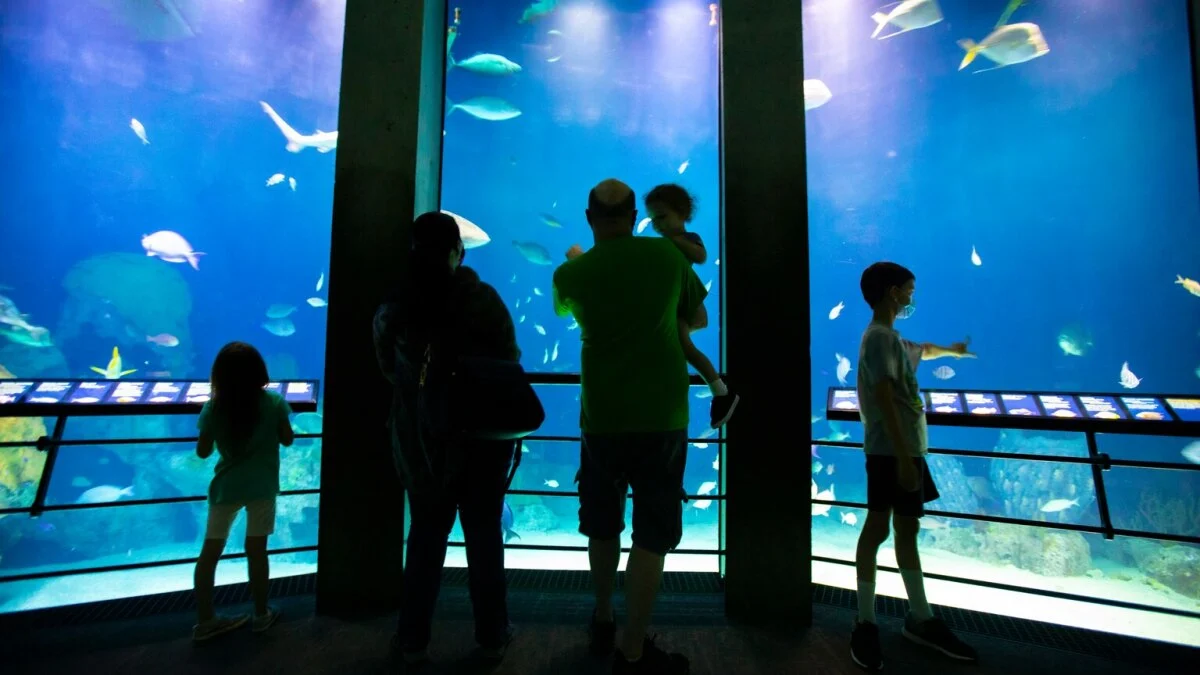
Types of Ocean Conservation at Baltimore National Aquarium
The National Aquarium in Baltimore, ML, manages a non profit organization across the ocean. It aims is to associate (connect) people with nature, environment to motivate and take care of the oceans. Its conversation support focuses on the combination of climate change, saving wild animals, aquatic animals, habitats, sea animals, etc.
Protecting Ocean Life For Saving Human Lives
It helps to save oceanic ecosystems and additionally protects humans & their associated ecosystems as well. We focus on rescuing, rehabilitating and ultimately releasing marine animals that become injured from fishing boats or fisheries related accidents, sea turtles that were poisoned by red tide algae blooms or otherwise impacted by environmental events, etc. Our main goal is to put back the healthy animals into the ocean that may help them to continue reproducing and contributing to the oceanic population. In most cases, where we have found dead animals, we try to establish what caused their deaths and come up with ways to improve the conservation of those same species.
Our assistance for marine animal health can extend to assisting the reef habitats where they reside (the tropical coral reef communities), which have undergone several recent challenges caused by diseases, warming sea surface temperatures (due to global climate change), and pollution. How Aquariums Inspire Ocean Stewardship Aquariums support the notion of environmental responsibility for the oceans. Visitors empathize with ocean animals, learn about the oceans and their care, and are subsequently taught by the aquarium about responsible use of the oceans.
The aquarium would be a conduit for humans to speak on behalf of the oceans through the rehabilitation of injured ocean animals. It allows visitors to interact with ocean animals through exhibits and involvement of local communities in programs aimed at reducing their use of plastics. Consuming sustainable seafood and protecting the habitats that oceans provide.
Aquarium Commitment to Sustainability
Aquariums also have to follow several sustainable practices that help them to protect marine life and the ocean environment. Some examples of sustainable practices that aquariums can demonstrate include using only sustainable seafood, avoiding all plastic and acquiring a LEED Certification. By promoting awareness and performing eco-friendly operations, aquariums play an important role in encouraging the public to adopt sustainable practices in their own lives.
Aquarium Emotional and Educational Connections
Aquariums provide visitors with an educational connection to the ocean through their variety of marine animals, including sharks and coral reefs. In addition to developing an emotional connection to aquatic life, aquariums provide the visitor with enough information about the ocean. The aquarium creates an emotional connection and understanding through the diverse forms of marine life on display. (i.e. coral, sharks and other fish), therefore emotional connection and education are students’ motivators to take action.
Aquariums are also actively engaged in the conservation of the environment through efforts such as rescuing rehabbed injured marine animals, like sea turtles and seals. After rescuing them, we release them back into the ocean therefore, they actively participate to protect ocean environment.
Aquariums demonstrate
Aquariums may demonstrate their commitment to sustainable practices by supporting them within their organizations. It restricted on use of plastic in aquarium cafes, uses sustainable seafood in aquarium cafes and has LEED certification. Most of the aquariums invest in energy efficient systems, like water conservation technologies and waste-reduction programs. All of these type of technology helps aquariums to reduce their environmental footprint and promote long-term sustainability, environmental responsibility, and conservation awareness among visitors and the broader community.
Conclusion
In the end, the National Aquarium in Baltimore, Maryland’s is an iconic destination that takes responsibility for connecting people with nature. Inspiring and educating them to compassion and care for our ocean planet & environment that begins with the aquarium itself. It also reaches beyond a showcase of the emotions and education for instillation of empathy and a sense of understanding. The marine ecosystem encompasses coral reefs, shark exhibits, open-ocean habitats, mangrove forests, and other types of marine animals. All of which plays an important role in maintaining biodiversity and supporting ocean health.