Government & Military Group Transportation

Government & Military Charter Bus Rental for Movements That Can't Run Late

BUSXOXO plans and dispatches charter buses, minibuses, and shuttles for military units, National Guard and Reserve components, cadet programs, and federal, state, and local agencies across the United States. You get one coordinator, one written plan, and vehicles sized to your headcount and your gear.

Give us the report time, the gate, and the number of seats. We build the movement around them, from a 55-passenger motorcoach for a full platoon to a Sprinter van for an inspection team.

  • Nationwide dispatch
  • Itemized written quotes
  • Manifest-ready planning
  • Short-notice requests welcome
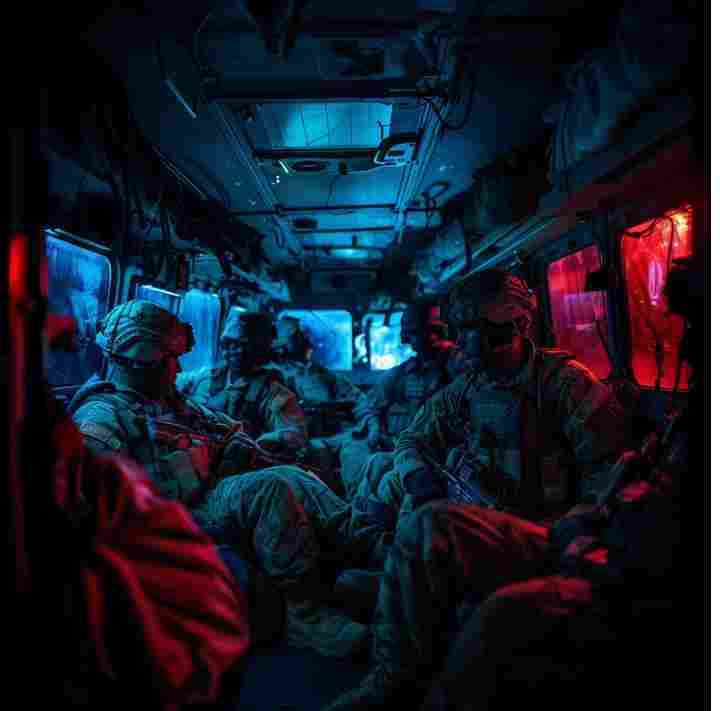
Motorcoach staged for a government and military group movement

Before We Talk Buses

A Military Bus Rental Is a Logistics Plan With Wheels Attached

Most charter requests start with a destination. Government and military requests start with a constraint: a formation time that will not move, a gate that only opens for vehicles on an approved list, a contracting office that needs the quote in a particular format, or a headcount that changes twice before wheels roll. A bus that simply shows up is not enough. The movement has to fit the rules of the organization that ordered it.

That is how BUSXOXO approaches government charter bus service and troop transportation. Before we talk vehicles, we ask about report times, staging areas, the gear each passenger carries, who signs for the trip, and how your office pays. Those answers decide whether you need one full-size charter bus, two 30-passenger minibuses that can split at a fork in the route, or a shuttle bus running loops between barracks and a training area.

The process is the same in every state we serve through our nationwide location network. A Reserve unit in Nebraska and a federal working group in Washington, D.C. both get a single point of contact, a written itinerary, and a confirmation that names the vehicle, the operating carrier, and the pickup point as precisely as the site allows.

Planners who move people for a living tend to want the same few things from a transportation partner: honest answers about what is available, plans that survive a change in orders, and no surprises on the invoice. Everything on this page is organized around those three expectations.

It also means one conversation instead of five. When a movement needs a coach for the main body, a van for the advance party, and a shuttle loop on site, coordinators often end up calling separate vendors and reconciling three sets of paperwork. We put every vehicle on one plan and one confirmation, so the person accountable for the move has a single number to call when something changes at 0430.

Booking for a company team, a family celebration, or a private trip rather than an official body? Our corporate event charter bus and private bus rental pages are a better fit. This page is written for units, agencies, cadet programs, and the people who plan their travel.

The Roster

Who We Move: Units, Agencies, Cadets, and the Families Behind Them

Government group transportation covers more ground than troop movements. These are the organizations that book with us most, and what each one usually needs from a charter.

Active Duty 01

Active-Duty Units

Company and battalion moves between installations, runs to airfields for outbound flights, and trips to off-post training sites. Staging is timed so leaders can hold accountability formations before anyone boards, which is why most of these trips use 55-passenger coaches with deep luggage bays.

Guard & Reserve 02

National Guard & Reserve

Drill weekends and annual training often mean collecting members from several armories or reserve centers into one movement. Timed, multi-stop pickups are routine, as are return trips that line up with the last formation on Sunday.

Cadets 03

ROTC, JROTC & Cadet Programs

Field training exercises, leadership labs, drill meets, campus visits, and military balls. Programs care about school-day timing and a carrier's safety record. Our campus tour itinerary guide doubles as a template for multi-school recruiting trips.

Families 04

Graduations & Homecomings

Hometown groups travelling to basic training and recruit graduations, and families meeting a returning unit. One bus keeps forty relatives together on a very long day. See our graduation transportation planning guide.

Federal 05

Federal Agencies

Working groups, inspection teams, training cohorts, and inter-agency delegations moving between hotels, federal buildings, and field locations. Teams that need to work on the road often choose an executive charter bus with tables and power.

State & Local 06

State & Local Government

Legislative delegations, council field tours, public works inspections, staff training days, and municipal events. Smaller groups usually fit a 18-passenger minibus, which handles city streets and tight site entrances better than a coach.

Response 07

Emergency Management

Responders, volunteers, and evacuees when a hurricane, flood, wildfire, or infrastructure failure outruns local transit. These requests arrive with hours of notice, not weeks, so they follow the activation process described further down this page.

Mission Profiles

Eight Kinds of Movement We Plan Most Often

Every profile below has its own timing pattern, load, and failure point. Knowing which one you are planning shortens the conversation and gets the right vehicle on the first quote.

Base-to-Base Personnel Transfers

A company moving to another installation for a school, a rotation, or a temporary assignment. We place rest stops where a large uniformed group can unload without crowding a small gas station, keep coaches together or deliberately staggered, and confirm the receiving gate before the first bus leaves.

Typical vehicle55-passenger motorcoach

Drill Weekends & Annual Training

Early Saturday collection from several reserve centers, late Sunday return. Annual training adds a long outbound run with a duffel-heavy load and a fixed return date two or three weeks later, so we book both legs at once and hold the return against changes.

Typical vehicle50-passenger charter bus

Field Exercise & Range Shuttles

Repeating loops between a cantonment area and ranges or training areas, sometimes on gravel roads. Shuttle-style vehicles board faster than coaches. We confirm road and turnaround suitability with your range control or movement NCO before committing a full-size bus.

Typical vehicleShuttle bus or school bus

Airfield & Port Reception

Meeting personnel off a charter flight or at a commercial airport and moving them to billeting. Arrival times slip, so plans carry a wait window and coordinate with your reception team instead of a single flight number. Our airport charter bus page covers staggered arrivals in depth.

Typical vehicleFull-size coach

Conferences, Hearings & Site Visits

Delegations moving between a hotel, a federal building, and field sites across several days. The same driver and vehicle stay with the group, and the schedule is written around session breaks. Our conference shuttle guide shows how to time loops.

Typical vehicleExecutive coach or minibus

Ceremonies & Observances

Changes of command, retirements, Memorial Day and Veterans Day observances, honor guards, and bands. Timing is to the minute, the drop-off has to clear before the official party arrives, and instruments need bay space. See how instruments load on a coach.

Typical vehicleCharter bus plus 15-passenger van

Emergency Response & Evacuation

Moving responders into an affected area or residents out of one. Counts are estimates, roads may be closed, and the plan changes hourly. We source the closest available vehicles first and add capacity as numbers firm up. Details are in the activation section.

Typical vehicleWhatever is closest and safe, then right-sized

Recruit Graduations & Homecomings

Families travelling to a graduation week, or a hometown welcoming a unit back from deployment. Emotional days run long, so we plan the return for after lunch, not right after the ceremony. Our family group travel guide helps organizers collect headcounts.

Typical vehicleMotorcoach or 30-passenger minibus

Planning Timeline

From Warning Order to Wheels Up: A T-Minus Planning Schedule

Work backward from the moment the first vehicle has to be staged. This is the schedule we use with unit movement officers and agency travel coordinators, and it scales from one minibus to a dozen coaches.

Already inside 72 hours?Skip straight to the T-72 step and call us. Our last-minute booking checklist lists the five facts we need first.
  1. T-60days or more

    Send the Outline

    Dates, a headcount range, origin and destination, gear level, and how your office pays. Moves needing four or more coaches, and anything during peak periods such as late-spring graduation season or December block leave, benefit most from this lead time.

    Not sure what size you need? Start with what size charter bus do I need.

  2. T-30days

    Lock the Plan

    We return a written itinerary with vehicle assignments, pickup points, rest stops, and the return leg. You route the quote through your approval process and identify the installation's access requirements. Know the difference between a quote and a confirmed reservation, and decide who signs.

  3. T-14days

    Build the Roster and Load Plan

    Assign passengers to bus numbers, decide where gear rides, and agree on a manifest format. Our passenger manifest template and boarding plan guide are built for exactly this step.

  4. T-72hours

    Gate and Driver Details

    Driver names, vehicle descriptions, plate numbers, and operating carrier details go to your sponsor if the installation requires them. Both sides exchange day-of phone numbers and confirm the staging area by name or grid, not just "the main gate."

  5. T-24hours

    Final Count and Route Check

    Confirm the final headcount, check weather and road conditions along the route, and settle any late changes. If orders shifted the numbers, here is how to change a charter bus passenger count cleanly.

  6. H-Hourdeparture

    Staged, Counted, Rolling

    Vehicles arrive ahead of the report time, drivers check in with your point of contact, your leaders run accountability, and the movement departs on your call, not the driver's.

  7. Afteraction

    Close It Out

    You receive an invoice that matches the confirmation line for line. Notes on what worked are saved, so next quarter's drill weekend starts from a finished plan rather than a blank page.

The Government Travel Calendar

When Buses Get Scarce: Seasonal Pressure Points for Military and Agency Travel

Demand for charter vehicles near installations and government centers is not flat. These recurring periods fill local fleets first, so a booking that would be easy in February can be hard in June. Plan your lead time against this calendar.

Period
JFMAMJJASOND

Graduation & Commissioning

Academies, ROTC commissioning, and college graduations stack up, on top of weekly recruit graduations.

Summer Moving Season

Permanent change-of-station moves peak, filling airports and hotels near big posts. Newcomer events add bus demand.

Guard & Reserve Annual Training

Many units schedule annual training in summer, when long outbound moves overlap with school-trip season.

Federal Fiscal Year-End

The federal fiscal year ends September 30. Trainings and site visits scheduled before funds expire need fast, clean quotes.

Atlantic Hurricane Season

Runs June 1 to November 30. Gulf and Atlantic coast agencies should name backup vehicles before it starts.

Observances & Memorial Trips

Memorial Day in late May and Veterans Day in November drive ceremony transport and veterans group travel.

Holiday Block Leave

Large posts send thousands of service members home at once. Airport shuttles from installations book out fast.

Legislative Sessions

Most state legislatures meet in the first half of the year, bringing delegations and civics groups to capitols.

Winter Weather Window

Northern and mountain routes need weather calls, extra drive time, and a fallback date in the plan.

How to read it. If your movement lands in a brass month, request the quote before you have every detail. A headcount range and a date are enough to hold vehicles, and you can refine the rest at T-30. In olive months, 30 days of notice is usually enough for one or two coaches, but larger fleets still benefit from earlier holds.

Overlaps are the real risk. A Guard unit's annual training in June competes with graduation charters, summer moves, and school trips in the same area. Our guides to holiday charter travel and multi-day itineraries cover how to protect a booking during busy weeks.

Peak pressureElevated demandExact timing varies by installation, state, and year.

Fleet Matching

Match the Vehicle to the Headcount and the Gear

Seat counts on a spec sheet assume passengers with a small bag. Uniformed groups rarely travel that light. Use the table to shortlist vehicle types, then run your numbers through the planner.

VehicleSeats*Best fit in government workGear note
Sprinter vanUp to 14Advance parties, inspection teams, VIP or escort detailsRear cargo space only; plan carry-ons
15-passenger vanUp to 15Honor guards, color teams, small staff sectionsLimited; flags and cases ride inside
18-passenger minibusUp to 18Small delegations, council tours, site visitsRear compartment on most models
30-passenger minibus25 to 35Cadet groups, split routes, squads with gearModerate; confirm per model
Shuttle bus20 to 40Range loops, conference shuttles, base circulatorsFast boarding, light luggage
School busVariesJROTC trips, short local hops, field sitesNo under-floor bays
Executive coachVariesAgency teams that need to work en routeUnder-floor bays, fewer seats
50-passenger coachUp to 50Drill weekends, annual training, memorial tripsFull under-floor bays
55-passenger coach54 to 56Platoon-plus moves, long-distance transfersLargest bay capacity in the fleet

*Seat counts vary by model and operator and are confirmed on your quote. When every passenger carries a rucksack and a duffel, under-floor bays fill before seats do, so plan on fewer passengers per coach. Our guides on charter bus luggage capacity and the maximum weight a charter bus can carry explain the limits. Weighing one big coach against smaller vehicles? Read one charter bus or two minibuses, or browse the full vehicle lineup.

Installation Access

At the Gate: What We Prepare and What Your Installation Decides

Getting a commercial bus onto a military installation or a secure federal campus is usually the step that slips. Access rules belong to the installation, so we split the work clearly: we supply complete, accurate information early, and your sponsor confirms the process on the inside.

What We Send Ahead

BUSXOXO and the operating carrier

  • Driver details exactly as they appear on each driver's government-issued ID, in the format your access office asks for.
  • Vehicle details including make, type, color, plate number, and the carrier's USDOT number.
  • Company information for the operating carrier, plus a dispatcher contact who can answer questions at the gate.
  • Arrival plan with staging time, ETA at the gate, and a driver phone number shared with your point of contact.
  • Substitution notice right away if a driver or vehicle changes, so your access list is never out of date.

What Your Sponsor Confirms

Your unit, agency, or host office

  • Access process and lead time for commercial vehicles, and whether drivers need a pass from a visitor center.
  • Which gate commercial buses must use, and its hours. Many installations route buses to a specific entry.
  • Inspection and escort expectations, including whether an escort meets the bus outside the gate.
  • Staging and parking on the installation, with a named lot or building, not just "the motor pool."
  • Restricted areas and photography rules the driver needs to know before arrival.

Not every pickup is behind a fence. Armories, reserve centers, recruiting stations, and federal buildings each have their own loading realities: a reserve center may have a large lot but a single narrow entrance, while a downtown federal building may allow buses only in a marked zone for a few minutes. We ask about the pickup site the same way we ask about the gate, and we plan the curb before the day of travel rather than leaving it to the driver to find.

Build in a bufferAccess procedures differ between installations and can tighten without notice when security conditions change. Treat the gate as the first stop on the itinerary and give it its own time block. For off-installation pickups at hotels or civic buildings, our hotel bus parking checklist and parking guidelines cover where a coach can legally load.

Procurement & Paperwork

Documents Your Finance Office Can Actually Use

Official travel is audited. A quote that bundles everything into one vague line, or an invoice that does not match what was approved, creates work for the person who signed it. We write every document so it can be checked against the last one.

Tell us at the start how your office pays, whether by purchase order, purchase card, or invoice against an approved request, and what your approver needs to see. We confirm in writing which methods we can accept for that booking before you commit. Our terms and conditions and refund and cancellation policy are public, so reviewers can read them before approval.

When the move must go through official channels

Some official Department of Defense passenger movements are arranged through the installation transportation office and the Military Surface Deployment and Distribution Command (SDDC) rather than booked locally, and official travel policy is published by the Defense Travel Management Office. If your movement falls under those rules, start there.

We support movements your office is authorized to arrange directly, plus unit-funded events, family days, and private trips around official ones. If your contracting office requires a vendor registered in SAM.gov, ask us for registration details before award.

Movement File What you receive
1

Itemized Written Quote

Broken out by vehicle, date, and service window, listing what is included and what would trigger an added charge, such as extra hours or added stops. Our explainer on charter bus overtime charges shows how those are usually defined.

2

Booking Confirmation

Vehicles, pickup and drop points, times, and the operating carrier's name and USDOT number. It uses the same line structure as the quote so an approver can compare them side by side.

3

Manifest Support

Bus-by-bus passenger lists in the format you supply, shared only with the people you name. Driver and vehicle details are included for your access roster.

4

Insurance and Carrier Documents

Proof of the operating carrier's insurance and authority, available on request for contracting files. Request it at quote stage so it arrives with the confirmation.

5

Matching Final Invoice

References your order or request number and mirrors the confirmation. Any change made during the trip appears on its own line with the date and the person who approved it.

Common Language

Ten Charter Terms Worth Agreeing On Before You Book

Military planners, agency staff, and bus dispatchers sometimes use the same word for different things. These definitions are how we use them on quotes and itineraries.

Report Time
When your passengers must be present. The vehicle is staged before this, usually 30 minutes or more for large groups.
Staging Area
The exact spot where vehicles wait and load. Named by lot, building, or grid, never just "the front."
Point of Contact
The person on your side the driver calls on arrival. We ask for a backup name and number too.
Bus Number
The number assigned to each vehicle in a multi-bus move, matched to a section of the manifest so accountability is quick.
Manifest
The list of passengers on each bus. You control its format and who receives it.
Garage-to-Garage
Service time measured from when the vehicle leaves its base to when it returns, which can differ from your trip times.
Deadhead
Miles a bus drives empty to reach you or return home. Common on rural and short-notice trips, and shown on the quote.
Stay-With Service
The vehicle and driver remain with your group between legs, versus a drop-off and a separate return pickup.
Hours of Service
Federal limits on driver duty and driving time. They decide whether a long move needs two drivers or an overnight.
Operating Carrier
The licensed company that owns and runs the vehicle. Its USDOT number is the one you check for safety.

These terms appear throughout our itinerary template, and service-time terms such as garage-to-garage are explained further in our guide to overtime and extra-hour charges. If your office uses a different term for the same thing, put it on the request and we will mirror your language on every document.

Safety Verification

Check Us Before You Sign: A Five-Point Carrier Review

Your people are the cargo, and you will be asked how the carrier was chosen. Run these five checks on any company you consider, including us. Each one takes minutes using public federal tools.

Charter bus prepared for a government transportation booking
Our standards are published on the Safety & Trust page. For a plain-language overview, read are charter buses safe?
  1. Look Up the Operating Carrier

    Every confirmation names the company operating the vehicle and its USDOT number. Enter it in FMCSA's Look Before You Book bus safety search and confirm the carrier is authorized to carry passengers. If you are unsure how booking companies and carriers relate, read broker vs. operating carrier.

  2. Read the Safety Rating and Scores

    FMCSA ratings are Satisfactory, Conditional, or Unsatisfactory, and some carriers are unrated. FMCSA explains what each means, and what to ask, in its guide to planning a bus trip.

  3. Confirm Driver Qualifications

    Motorcoach drivers need a commercial driver's license with a passenger endorsement and must be covered by a drug and alcohol testing program. Ask the question directly. A good carrier answers without hesitation.

  4. See the Hours-of-Service Plan

    Federal hours-of-service rules cap passenger-carrier driving at 10 hours after 8 consecutive hours off duty, with no driving after the 15th on-duty hour. Long movements need a second driver or an overnight. Learn when a charter bus needs two drivers.

  5. Ask About the Vehicle

    Pre-trip inspection, maintenance records, model year, and seat belts. Newer motorcoaches are built with belts at every seat, and your passengers should be told to wear them. Our guide to modern charter bus safety features covers what to look for.

Information Handling

Low Profile by Default, Honest About the Limits

Many government and military trips are routine, but few should be public. These are the habits we keep on every official booking unless you tell us otherwise.

Minimum Detail

Drivers receive the pickup point, the times, and your point of contact. The purpose of the trip is not part of their dispatch sheet unless it affects the drive.

Plain Vehicles

Coaches are standard commercial vehicles without government markings. If you need signage in the windshield for a gate or a reception line, you supply it and we place it.

Controlled Manifests

Passenger lists go only to the people you name and are used only for the movement. Ask us to return or delete copies after the trip and we will.

No Publicity

We do not feature your unit, agency, or passengers in marketing, reviews, or social media without written permission from someone authorized to give it.

Where our role ends: BUSXOXO arranges commercial passenger transportation. We are not a cleared facility, and we do not offer security-cleared drivers as a standard service. If a movement involves classified information or requires cleared personnel, tell us at the request stage. Sometimes the right answer is a government-operated vehicle, and we will say so rather than quote something we cannot properly support.

Emergency Activation

When the Request Comes at 0200: Emergency Response Bus Transportation

Evacuations, responder deployments, and sheltering operations do not wait for business hours. Here is exactly what happens when an emergency manager, a Guard operations center, or an agency duty officer calls us.

Emergency line: +1 (308) 304-6668 Calls are answered 24/7. Email is too slow for this step.
  1. Minute 0

    Call, Don't Email

    A phone call starts the clock. Tell us who you are, who you represent, and how to reach you if the line drops.

  2. First 10 minutes

    Give Us Four Facts

    Pickup point, best-estimate headcount, destination or staging area, and the name of the person with authority on site.

  3. First hour

    Honest Capacity

    We source the closest available vehicles and tell you what we can field, and when. If it is partial capacity, you hear that plainly so you can plan around it.

  4. Ongoing

    Rolling Updates

    Vehicles are added or released as counts firm up. You get driver contacts as each bus is dispatched, not in one batch at the end.

Evacuations include people who use wheelchairs, walkers, or oxygen, and many standard coaches cannot board them. Say so on the first call, even as a rough number, so lift-equipped vehicles are sourced in parallel instead of after the main fleet is committed.

Emergency managers building transportation into a plan ahead of time will find planning resources at FEMA and Ready.gov. For non-emergency requests that are simply short notice, our last-minute booking checklist and contact page are the fastest route.

Where Movements Happen

Charter Buses Near Major Installations and Government Centers

We dispatch nationwide, but a handful of regions generate most government and military requests. Each has its own planning quirk, and each links to a local page with vehicles and nearby routes.

Central Texas

Fort Hood

One of the largest Army posts by population. Block leave and reception drive heavy traffic to Austin and Dallas–Fort Worth airports, so airport runs are planned in waves rather than single trips.

KilleenTempleWaco

West Texas & New Mexico

Fort Bliss & White Sands

Long, empty stretches between services and serious summer heat. We confirm air conditioning, water on board, and fuel stops before a desert leg, not during it.

El PasoNew Mexico

South Texas

Joint Base San Antonio & NAS Corpus Christi

Air Force basic training graduations at JBSA-Lackland bring family groups nearly every week. Corpus Christi adds naval aviation training and a busy coastal corridor.

San AntonioCorpus ChristiTexas

Georgia

Fort Gordon, Fort Stewart & Fort Benning

Three large posts, three corridors. Augusta, the Savannah–Hinesville area, and Columbus sit far enough apart that cross-post moves become true day trips with planned rest stops.

AugustaSavannahGeorgia

Florida

NAS Jacksonville, Mayport & MacDill AFB

Navy and Air Force commands with heavy visitor and conference traffic. Hurricane season shapes everything from June to November, so emergency plans here need backup vehicles named in advance.

JacksonvilleTampaFlorida

Northern Illinois

Naval Station Great Lakes

Home of the Navy's recruit training command, so graduation days bring families from across the country. Chicago airport transfers and hotel shuttles are the usual pairing.

WaukeganChicagoIllinois

National Capital Region

Pentagon, Andrews, Meade & Quantico

Federal agencies, headquarters staffs, and delegations in dense traffic with strict curb rules. Downtown pickups need named loading zones, and timing assumes rush hour unless proven otherwise.

Washington, D.C.VirginiaMaryland

The Carolinas

Fort Bragg, Camp Lejeune, Fort Jackson & Parris Island

Airborne and Marine Corps hubs plus two of the largest basic training sites in the country. Graduation weekends fill local hotels and buses fast, so book early.

North CarolinaSouth Carolina

Rocky Mountains

Fort Carson, USAF Academy & Peterson SFB

Altitude, mountain passes, and winter storms. Plans for Colorado Springs include chain-law awareness and a weather call the evening before departure.

Colorado

Pacific Northwest

Joint Base Lewis-McChord

A large joint base in the Interstate 5 corridor, where traffic between Tacoma and Seattle decides arrival times more than distance does. Airport runs get generous buffers.

Washington State

Pacific & Arctic

Pearl Harbor-Hickam, Schofield, JBER & Wainwright

Island and Alaska fleets are smaller and in demand. Lead time matters more here than anywhere else, and summer and holiday periods should be booked first.

HawaiiAlaska

Installation names are used for location reference only. BUSXOXO is not affiliated with or endorsed by the Department of Defense, any military service, or any government agency.

Sample Movement Plans

Three Movements, Planned End to End

These composite examples show how a request turns into a plan. Your numbers and route will differ, but the reasoning carries over.

The Request

Group
National Guard company, 118 soldiers
Origin
Two armories about 40 minutes apart
Destination
Training center roughly 260 miles away
Gear
Rucksack plus duffel per soldier
Return
Fifteen days later

The Plan

  • VehiclesThree motorcoaches. With heavy gear, about 42 soldiers per coach keeps every bag in the bays and the aisles clear.
  • 0500Two coaches staged at Armory A. One coach at Armory B, timed so all three meet at a planned rest stop.
  • Mid-routeOne combined 30-minute stop at a location with room for three coaches and fast restroom turnover.
  • ArrivalGate coordination two weeks ahead, driver list submitted at T-72 hours, staging lot confirmed by name.
  • ReturnBooked on the same confirmation and held against the unit's final formation time.

Why not two coaches? On paper 118 fits in roughly two and a half coaches. With this gear, it does not, and a crowded aisle on a five-hour drive is a safety problem.

The Request

Group
Federal working group, 22 staff
Length
Three days, two hotels
Stops
Airport, field sites, a downtown federal building
Need
Work between stops, laptops open
Payment
Invoice against an approved request

The Plan

  • VehicleOne executive coach with power at the seats, kept with the group all three days with the same driver.
  • Day 1Airport reception on staggered flights, using a wait window and a single meeting point.
  • Day 2Field sites about 140 miles round trip, timed to stay well inside the driver's daily limits.
  • Day 3Morning drop at the federal building's designated loading zone, afternoon airport runs.
  • PaperItemized quote, confirmation, and invoice with matching lines. Driver lodging arranged as described in who pays for the driver's hotel.

Why one vehicle for three days? The team leaves materials on board between stops, and the driver learns the sites by day two. See does a charter bus stay with your group.

The Request

Group
47 family members and friends from one town
Event
Basic training graduation, about 6 hours away
Ages
Toddlers to grandparents, two with mobility aids
Length
Overnight, two days
Organizer
A recruit's parent and a local church

The Plan

  • VehicleOne 55-passenger motorcoach with a restroom, plus a lift-equipped option discussed early.
  • Day 1Midday departure, hotel check-in the evening before, so nobody rushes graduation morning.
  • MorningDrop at visitor parking exactly as the installation's family-day instructions direct. The organizer checks the training command's official site for visitor rules and ID requirements.
  • ReturnAfter lunch, not right after the ceremony. The day runs long, and families want time with their graduate.

Traveling with young children? Our charter bus travel with toddlers guide helps organizers plan seating and stops.

Illustrative examples based on common request patterns. Not a record of specific clients or trips.

Questions

Government & Military Charter Bus FAQ

Answers to what movement officers, agency coordinators, and family organizers ask us most. General booking questions are covered on our main FAQ page.

Have a question about a specific movement? Call +1 (308) 304-6668 or email booking@busxoxo.com.
Can you move an entire company or battalion at once?

Yes. Large movements are planned as a fleet with bus numbers, a lead coordinator, and either a staged or convoy departure. The practical limit is vehicle availability in your area on your date, which is why moves needing four or more coaches should be requested 60 days out when possible. We tell you early if a date is tight.

Can your buses get onto a military installation?

Commercial buses enter installations regularly, but access is controlled by each installation, not by us. We provide driver names, vehicle details, and carrier information in whatever format and lead time your sponsor requires. Your unit or host confirms the gate, inspection, escort, and staging arrangements.

Do you accept purchase orders or government purchase cards?

Tell us how your office pays when you request the quote. We confirm in writing which payment methods we can accept for that booking before you commit, and every document references your order or request number so it can be matched during review.

Do you provide security-cleared drivers?

Not as a standard service. If your movement requires cleared personnel or involves classified information, say so at the request stage. In some cases a government-operated vehicle is the appropriate choice, and we will tell you that rather than quote something we cannot properly support.

How far in advance should we book?

Sixty days or more for large moves and peak periods such as graduation season and December holidays. Thirty days is workable for most single-coach trips. Short-notice requests are accepted around the clock and depend on what is available nearby, so call rather than email when time is short.

How much gear fits on a charter bus?

A full-size motorcoach has large under-floor bays, but a group carrying rucksacks and duffels fills them before every seat is taken. Expect fewer passengers per coach when gear is heavy. Read our guides to luggage capacity and how heavy a charter bus is for the details.

Can the same bus stay with us for a multi-day exercise or conference?

Yes. Multi-day bookings can keep the same vehicle and driver for the whole trip, subject to federal hours-of-service limits and driver rest. Driver lodging is part of the plan and is shown on the quote. Our multi-day itinerary guide explains how the days are structured.

What happens if our orders change the date or the headcount?

Tell us as soon as the change is official. Headcount changes can often be absorbed by swapping vehicle sizes, and dates can sometimes be moved instead of cancelled. Our guides to rescheduling and the cancellation checklist explain the options.

Can two units or agencies share one bus?

Yes, as long as one organization holds the booking and the others agree on pickup order, timing, and how costs are split between them. Shared bookings work well for joint training, inter-agency site visits, and combined veterans trips. Our guide to sharing one charter bus booking explains how to set it up.

Do the coaches have Wi-Fi, outlets, or a PA system for briefings?

Many motorcoaches have a driver's microphone and PA system, and most newer coaches have power outlets. Wi-Fi is common but runs over cellular networks, so it is fine for email and general work but not a secure connection for sensitive material. Confirm the amenities you need on the quote. See charter bus Wi-Fi for work.

Can JROTC cadets under 18 ride without parents?

Your program's supervision policy decides that, not the bus company. We ask for a named adult leader on every vehicle and a roster the leader holds. Our school field trip bus checklist covers permission forms, headcounts, and chaperone ratios.

Can you support evacuations or disaster response?

Yes, as fleet availability allows. Call the 24/7 line with the pickup point, estimated headcount, destination, and the person in charge on site. We source the nearest available vehicles, tell you honestly what we can field and when, and add capacity as numbers firm up.

Do you arrange buses for basic training graduations and homecomings?

Yes. Hometown groups, churches, and family organizers book coaches to graduations and unit homecomings. Organizers should check the installation's official visitor instructions for ID and parking rules, and we build the drop-off around them.

Are wheelchair-accessible buses available?

Lift-equipped vehicles are available in many areas but are fewer in number, so ask at the first contact. Our guide on booking a wheelchair-accessible charter bus covers what to ask, and the ADA.gov site explains passengers' rights.

Next Step

Send the Movement Details. Get a Written Plan Back.

Whether it is one minibus for a council tour or a dozen coaches for a battalion, the first step is the same: tell us the who, when, and where. You will receive an itemized quote and a draft itinerary you can route for approval, with no obligation to book.

Prefer email? Write to booking@busxoxo.com or use our contact page. Read what other groups say on our testimonials page, or learn about BUSXOXO.

Include These Six Details

The more of these you send, the closer the first quote is to final.

  1. 1Dates and report timesEvery leg, including the return.
  2. 2HeadcountA range is fine if orders are not final.
  3. 3Pickup and drop pointsName the gate or building if you know it.
  4. 4Gear levelLight, one bag each, or rucksack plus duffel.
  5. 5Access requirementsAnything your installation or agency has shared.
  6. 6Payment methodHow your office pays and who approves.

Corporate · Weddings · Group Travel

Get your charter bus quote in 2 minutes

+1 (308) 304-6668 Toll-Free · 24/7 support Get Free Quote

Toll-Free · Available 24/7